Will Ketones Continue to Rise in Long Term Ketosis
- Reducing refined carbohydrates helps to stabilise your blood sugar and promote ketogenesis.
- Elevated blood sugar levels are associated with an increased risk of many of our modern metabolic diseases (e.g. diabetes, heart disease, stroke, cancer, Parkinson's, Alzheimer's etc).
- Insulin regulates the release of glucose and ketones into your bloodstream. When you eat, your pancreas increases insulin to store your fat. When you don't eat, insulin levels reduce to allow stored energy to be released from your body.
- You become 'insulin resistant' when your fat cells become full and can no longer store excess energy efficiently. When your adipose tissue fills beyond your Personal Fat Threshold, excess energy is stored in places that are still insulin sensitive (e.g. your liver, pancreas, heart, brain and eyes), and excess energy overflows into your bloodstream (in the form of elevated glucose, triglycerides and ketones).
- Exogenous ketosis occurs when you consume extra dietary fat or supplements to raise the level of ketones in your blood.
- Endogenous ketosis occurs when you consume less energy. Your insulin and blood sugars decrease, and ketone production from the fat on your body increases.
- While a low carb or ketogenic diet will help to stabilise your blood sugars, the majority of the benefits of ketosis occur due to endogenous ketosis when you are burning your own body fat.
- Reducing your intake of processed carbohydrates helps you avoid hyperpalatable nutrient-poor "junk food", increases satiety and helps you eat less and hence lose weight sustainably with less effort.
- There is nothing magical about having a particular blood ketone value, ketosis or a high fat 'ketogenic diet' that will cause you to lose body fat more quickly (particularly if it is due to the addition of extra dietary fat or exogenous ketones).
BONUS: FREE Video Lecture "Making sense of the food insulin index"
Low-carb diets reduce blood sugar levels
Many people follow a low carbohydrate diet to manage their blood sugar levels. Foods that contain less carbohydrate cause a smaller rise in blood sugar.[1] [2] [3]
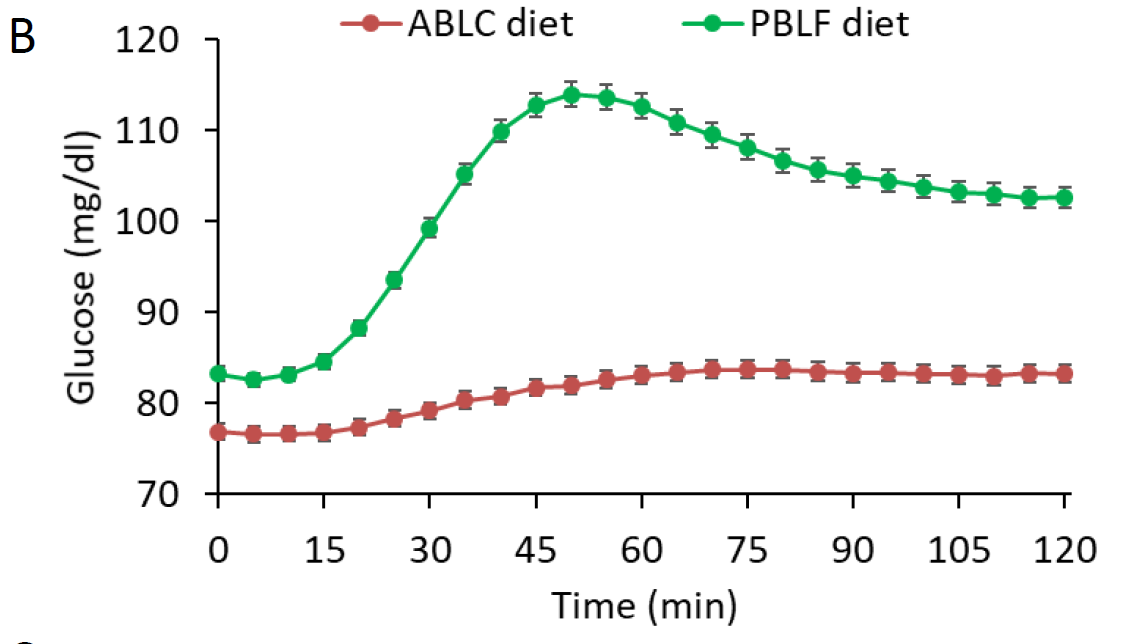
If you have prediabetes or type 2 diabetes, it makes a lot of sense to reduce your intake of carbohydrates to drain the glucose from your bloodstream.
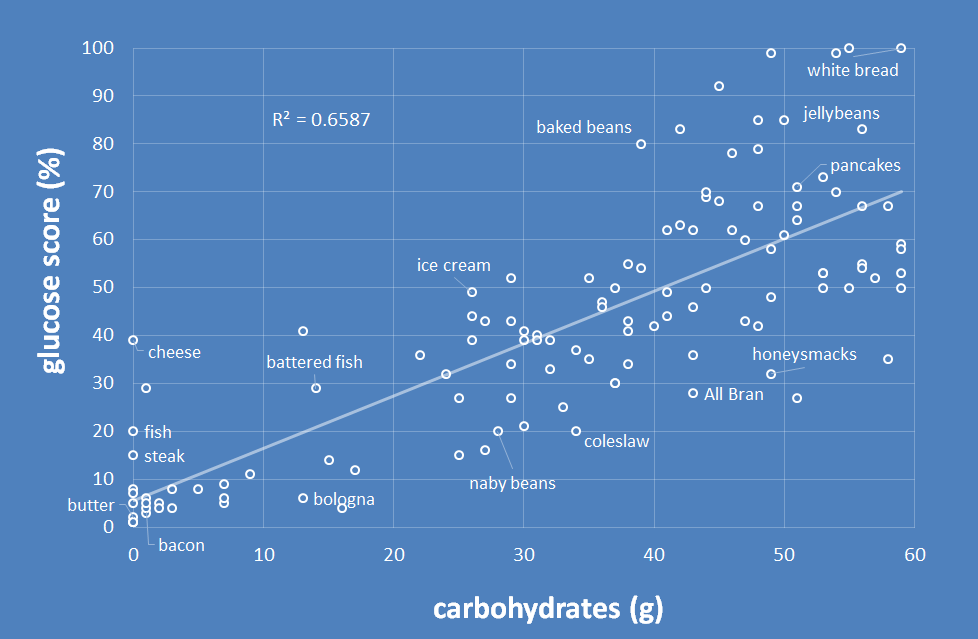
As shown in the chart below from our analysis of the food insulin index data, lowering your intake of carbohydrates tends to lower blood glucose levels after meals.
How low should your blood sugars be for optimal ketosis?
According to mainstream medical definitions:
- "normal" blood sugar is defined as having an HbA1c of less than 6.0%,
- " Prediabetes " occurs when you have an HbA1c between 6.0 and 6.4%, and
- Type 2 diabetes is diagnosed when you have an HbA1c of 6.5% or above.
However, these mainstream definitions of "normal" are far from optimal!Your risk of diabetes, stroke, heart disease, cardiovascular disease and cancer increase with an HbA1c above 5.0%.
By the time you have "prediabetes", you have an increased risk of many of the most common western diseases of ageing (such as diabetes, heart disease, stroke and cardiovascular disease).[4] [5]
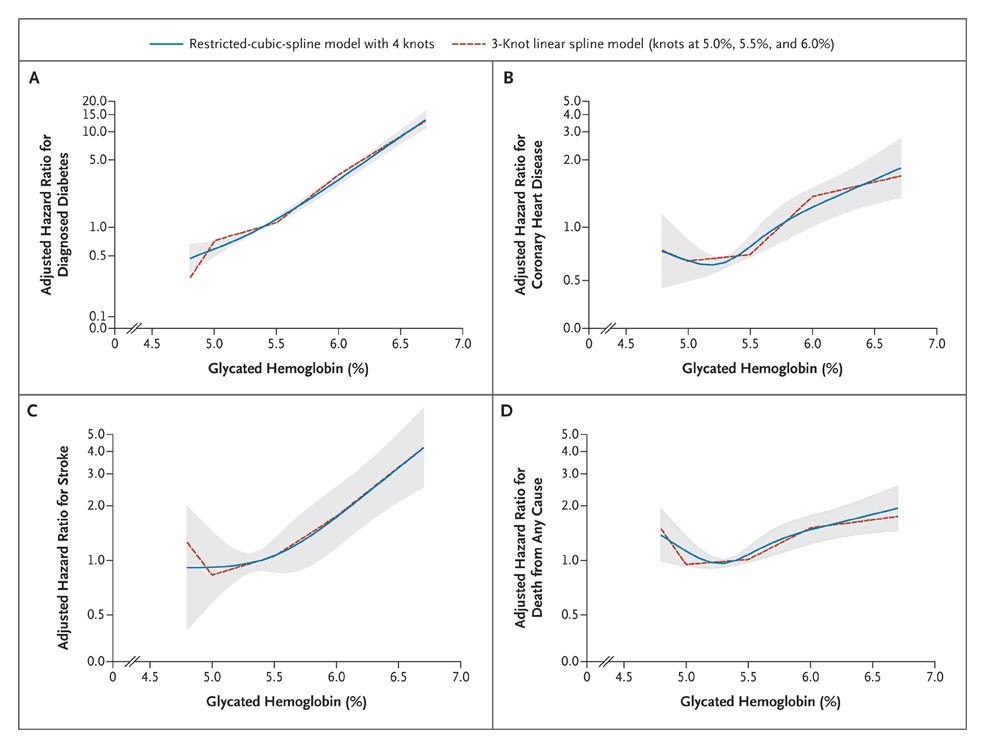
However, simply lowering your blood sugars using medications (e.g. by adding lots of exogenous insulin) does not necessarily reduce your risk.
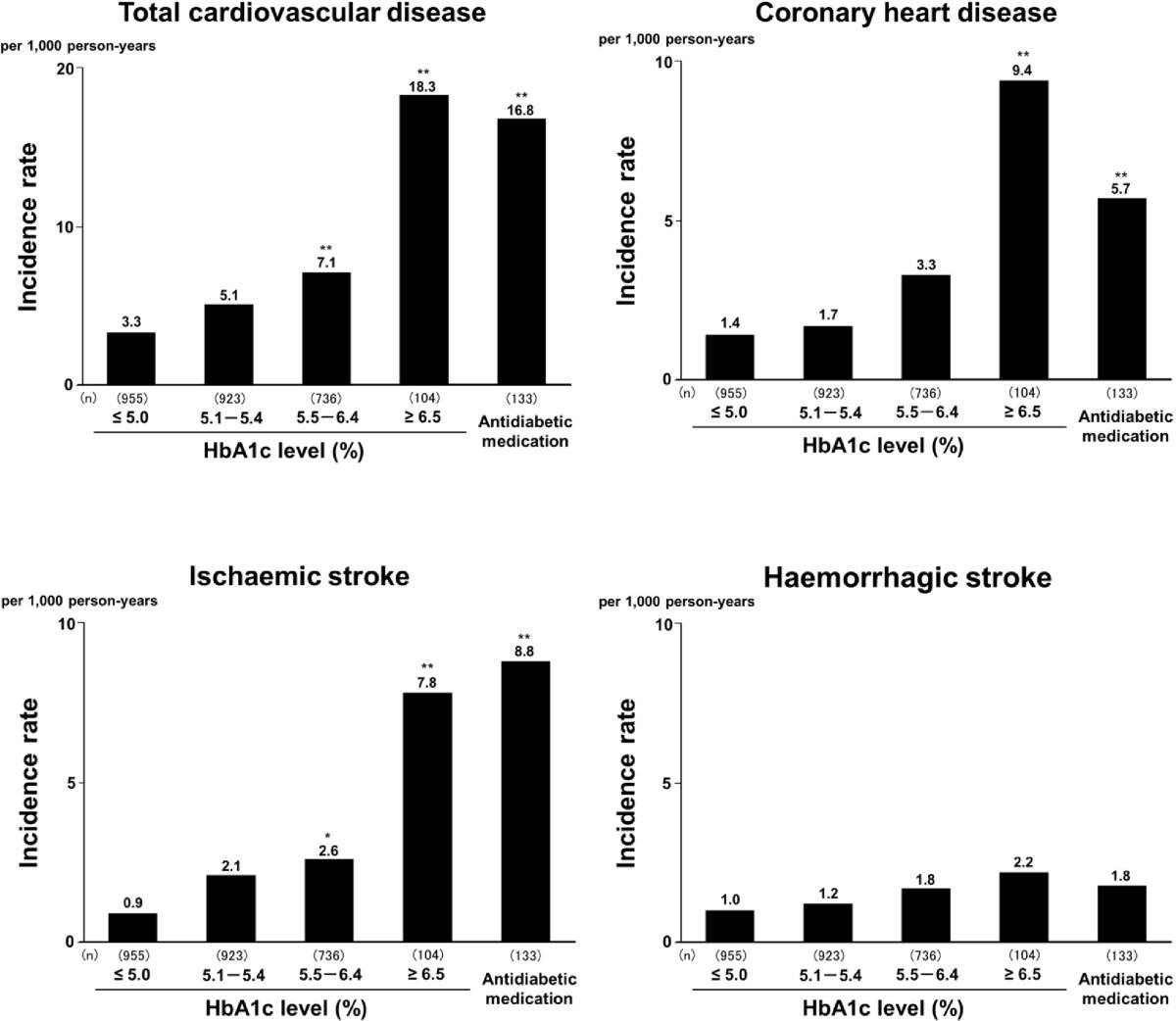
If you're interested in pursuing optimal rather than "normal" metabolic health, the table below shows suggested HbA1c and blood sugar targets based on the risk categories for stroke, cardiovascular disease and heart disease shown in the charts above.

Hyperinsulinemia
While elevated blood glucose levels are bad news (due to glucose toxicity and glycation), they also usually go in hand with high insulin levels.[6] [7] [8]
A metabolically healthy person will store excess energy in their fat cells for later use. But in time, after continually consuming more energy than you need, you will get to the point your fat stores cannot continue to expand and absorb more energy from your diet.
Once you exceed your Personal Fat Threshold, you become "insulin resistant". This means that it takes more and more insulin to store energy in your fat cells.
As you become "insulin resistant" the expansion of your fat cells slows. Your pancreas cannot produce enough insulin to hold the excess energy from your diet in your adipose tissue or stop it from being released into your bloodstream.
Unfortunately, a lower capacity to gain high levels of body fat is not as good as it sounds. Once your fat cells are full, any excess energy will be redirected to other parts of your body that are still insulin sensitive (e.g. your liver, pancreas, heart, brain and other vital organs).
Your pancreas then has to work overtime, secreting more and more insulin to hold back your stored energy while you use up the energy in your bloodstream that continues to be topped up from the food coming in via your mouth.
How to manage your insulin load
The good news is that you can tailor the insulin load of your diet to help you stabilise your blood sugars.
Managing the insulin load of your diet can be particularly useful if you inject insulin to control your blood sugars. It is almost impossible to match large bolus insulin doses with large amounts of dietary carbohydrates and protein.
Trying to match large amounts of carbohydrates with large amounts of insulin leads to large errors, while a smaller intake of carbohydrates requires smaller amounts of bolus insulin and smaller errors, which are easier to correct.
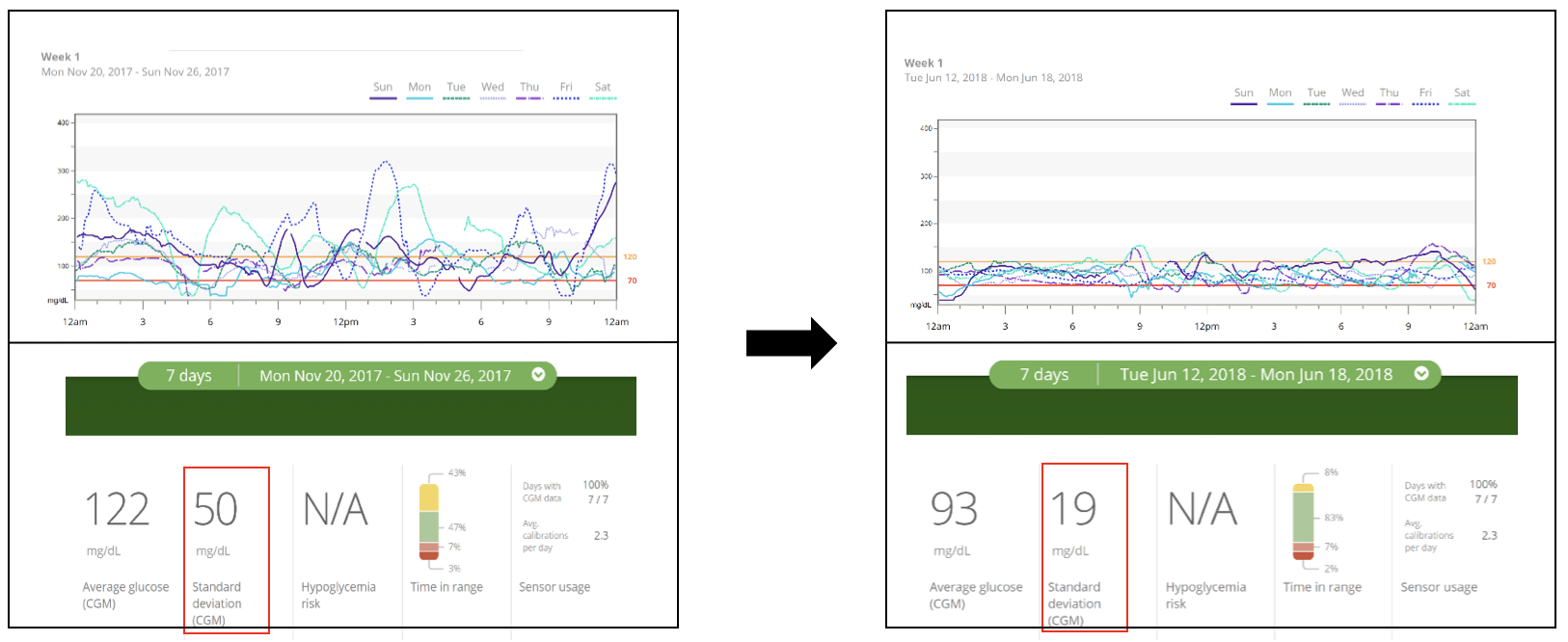
A person with type 1 diabetes cannot produce enough insulin to keep energy locked away in their liver and fat stores. Without exogenous insulin, they will see both their blood sugar and blood ketone levels rise as their stored energy leeches into their bloodstream.
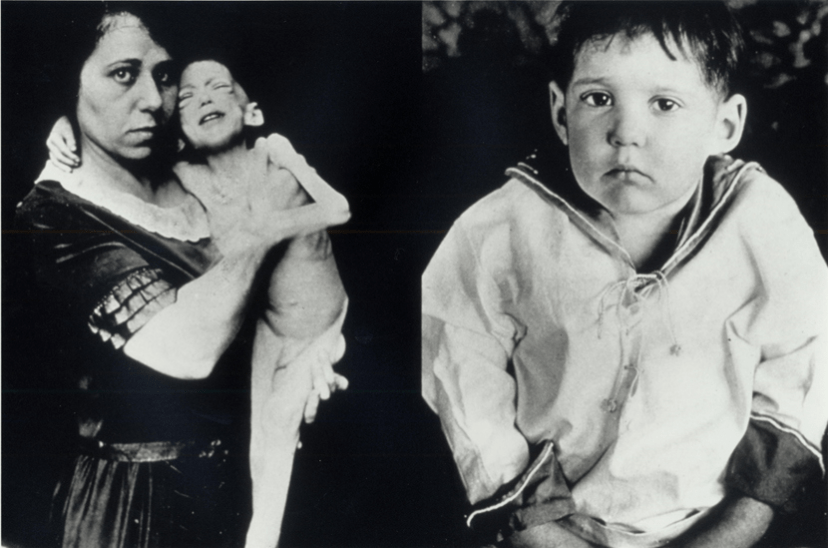
As shown in the image of "JL" below (one of the first children with type 1 diabetes to receive insulin treatment), people with type 1 diabetes quickly regain weight with exogenous insulin.
If you inject insulin, you need to think about finding the optimal dose of insulin required to keep your blood sugars stable.
- Too much insulin can slow the release of fat from your body to be used for fuel, your blood sugars will drop, and you will feel compelled to eat.
- With too little insulin, you will effectively disintegrate, with all your stored energy pouring into your bloodstream.
This insulin-centric view of diabetes management and obesity falls over because it doesn't translate to someone who is not injecting insulin.
Your pancreas will not secrete more insulin than it needs to hold back your fat in storage while your body uses up the energy coming in from your mouth.
A low-carbohydrate diet helps to stabilise your blood sugars. However, if you want lower blood sugars and insulin to truly reverse your diabetes, you need to find a way of eating that keeps you satiated while still getting the essential nutrients you need to thrive.
Endogenous ketones
When you go without food, the glucose stored in your bloodstream, liver and muscles (glycogen) is depleted to healthy levels.
Then, once the excess glucose is used up, your body will turn to your body fat stores for fuel. Your liver then converts body fat to ketones to use as an alternative fuel to glucose for use by the brain, heart and other vital organs.
This process is known as " endogenous ketosis" (note: endogenous means that the ketones originate from inside your body).
Most of the beneficial effects of a ketogenic diet occur during endogenous ketosis (i.e. autophagy, mitogenesis, mitophagy, upregulation of SIRT1 and increase of NAD+). Your body goes into repair mode to ensure it can survive to procreate when food is more available.
The chart below shows my blood sugar and blood ketone levels (BHB) during a seven-day fast. As glucose levels decrease, blood ketone levels are produced to compensate for the lack of energy from your diet. The sum of glucose and ketones can be thought of as the "total energy" (i.e. glucose + ketones = total energy).
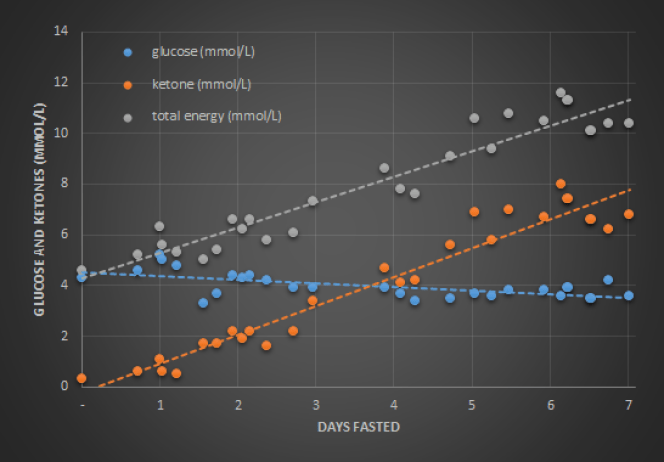
When fasting, your body may allow the total energy in your bloodstream to go to drift up quite a lot. This enables you to be ready at a moment's notice to hunt or gather food to survive. However, we can not mimic energy restriction's benefits by adding extra fat or exogenous ketone supplements.
Your pancreas will raise insulin to manage your blood sugars and ketone levels and keep your body fat in storage while you use the energy from the food from your diet, regardless of the source.
Blood glucose level for optimal ketosis
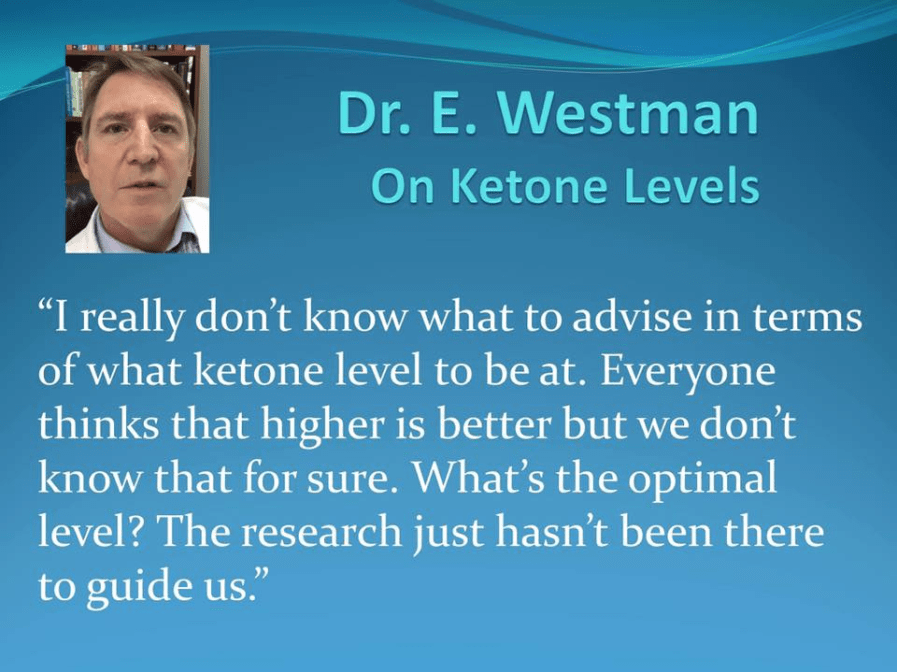
Our understanding of the ketogenic diet is evolving quickly as "keto" has grown in popularity. However, there is still a lot of confusion around what constitutes optimal ketone levels.
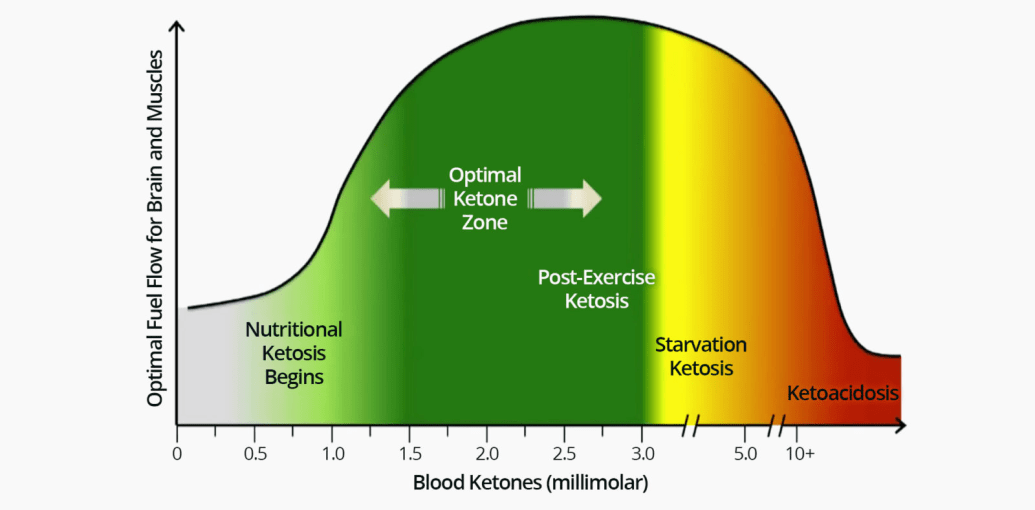
While many people are eager to try a ketogenic diet, the reality is that it is hard for most people to achieve and maintain what are commonly considered to be "optimal ketone levels" (i.e. 1.5 to 3.0mmol/L according to this ketosis chart from The Art and Science of Low Carbohydrate Performance) without extended fasting or continuing to add more and more refined dietary fat.
But the problem is that prioritising more dietary fat is typically counterproductive over the long term if your goal is weight loss or diabetes management. Before long, you'll likely find that you are putting on extra body fat, which in turn will lead to higher insulin levels and elevated blood sugar levels.
I had the privilege of having Dr Steve Phinney (pictured below in our kitchen making his famous blue cheese dressing) stay at our place recently for a couple of days when he spoke at a Low Carb Down Under event in Brisbane. During this time, I quizzed him about the background of his optimal ketosis chart.

Steve said the optimal ketosis chart (shown above) was based on the blood ketone levels of participants in two studies done in the 1980s. One was with cyclists who had adapted to ketosis over six weeks and another ketogenic weight loss study. In both cases, these 'optimal ketone levels' (i.e. between 1.5 to 3.0 mmol/L) were observed in people who had recently transitioned into a state of nutritional ketosis.
However, as more people try a low carb or ketogenic diet, many people find that their blood ketone levels continue to decrease after a few weeks or months.
necessarily lead to weight loss and that there is limited use in tracking them!
Do we get better at using ketones?
Urine ketone strips (which measure acetoacetate in the urine) are considered by many to be of limited use because before too long, the body stops excreting ketones into the urine as it learns to use them rather than wasting them.

It seems that your body also adapts to use blood ketones more efficiently the longer you follow a lower carbohydrate diet. Most people move beyond the 'keto adaption' phase as their bodies learn to use fat more efficiently, and their ketone levels reduce further.
You can think of BHB as the storage and transport form of ketones. Your body converts BHB back to acetoacetate to be used for energy.
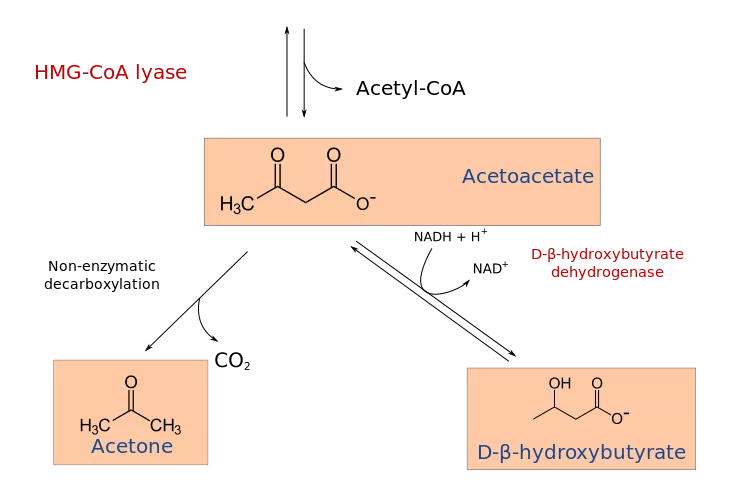
The BHB ketones that you measure simply tell you how much energy you have stored as ketones in your bloodstream. Unfortunately, it doesn't tell you anything useful about your ability to burn fat for fuel. High blood ketones may mean you have unused fuel backing up in your bloodstream (which is usually not a good thing).
Just like a fuel-efficient car doesn't need a massive fuel tank, you don't need high levels of ketones or glucose in your bloodstream if you have a healthy and efficient metabolism.
How low should your blood glucose be for optimal ketosis?
Back in 2014, I was eager to experiment, learn and do whatever I could to lose weight and optimise my health.
But I was still confused after reading everything I could. I had become much fatter after pursuing 'optimal' ketone levels' (see my work profile pics below), so I decided to compile some data from my own testing and online friends who were also tracking their blood sugar and ketone levels.

I wanted to understand what typical ketone blood levels were for people who had been following a reduced carbohydrate diet for a while. After I shared this initial data, other people sent me their data to add to the chart. Then, Michel Lundell from Ketonix shared an extensive set of anonymised data from people following a ketogenic diet.
The chart below shows the sum of the blood sugar and ketones (i.e. total energy) from nearly three thousand data points from a broad range of people following a low carb or ketogenic diet. Blood ketones are shown in blue (on the bottom), while glucose is shown in orange (on the top).
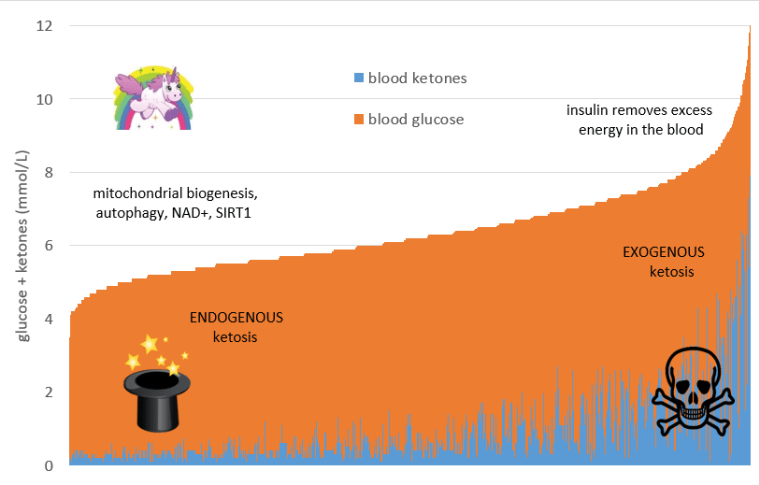
On the right-hand side of the chart, we have a high-energy state where both glucose and ketones are elevated. This high-energy situation is similar to someone with Type 1 diabetes with high glucose and ketone levels due to inadequate insulin.
Note: Diabetic ketoacidosis is diagnosed when we have glucose levels above 15 mmol/L or 270 mg/dL and ketones above 0.5 mmol/L. This would equate to a total energy in the bloodstream of 15.5 mmol/L.
On the left-hand side of the chart, we have people a lower total energy state. It seems that because they store and burn fuel efficiently, these metabolically healthy people don't need large amounts of fuel circulating in their bloodstream.
Based on the analysis of this crowd-sourced data, it seems the average blood sugar value for someone on a low-carb diet is around 4.9 mmol/L (or 88 mmol/L) with a ketone blood level (BHB) of about 1.5 mmol/L.
Blood sugar and ketone blood levels in exogenous ketosis
Some people come to low-carb or keto for therapeutic purposes (i.e. to manage chronic conditions such as cancer, epilepsy, traumatic brain injury or dementia). These people may benefit from higher ketone blood levels to fuel the brain when glucose cannot be used efficiently.
If you are trying to avoid muscle wastage that occurs in cancer cachexia or trying to feed a growing child who has epilepsy, an energy-dense high fat low satiety diet can be an advantage to gain weight (after cancer treatment) or grow (in the case of a child who has epilepsy). However, most people do not require therapeutic ketosis, particularly if weight loss, improved satiety or blood sugar control is the highest priority.
People following a therapeutic ketogenic diet may choose to load up with MCT oils and other added fats to achieve high ketone levels and low glucose:ketone index values (GKI) values. Others target high levels of ketones for brain performance or load up on exogenous ketones and glucose together to 'dual fuel' for elite athletic performance.
This over-fuelled state with elevated glucose and ketones is shown in the chart below from the people with the highest total energy.
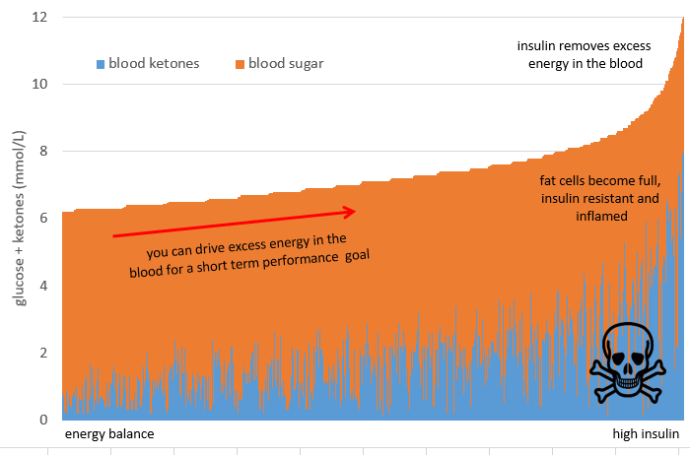
While it may be useful if you're about to race in the Tour de France, chronically elevated energy from glucose and ketones is not ideal, particularly if you are sedentary, trying to lose weight or reverse your type 2 diabetes.
One of the benefits of a low-carb diet is that it largely eliminates hyper-palatable processed foods that are typically a combination of refined starches and vegetable oils. As shown in the chart below from our satiety analysis, the most hyper-palatable foods are generally a combination of refined carbs and fat.
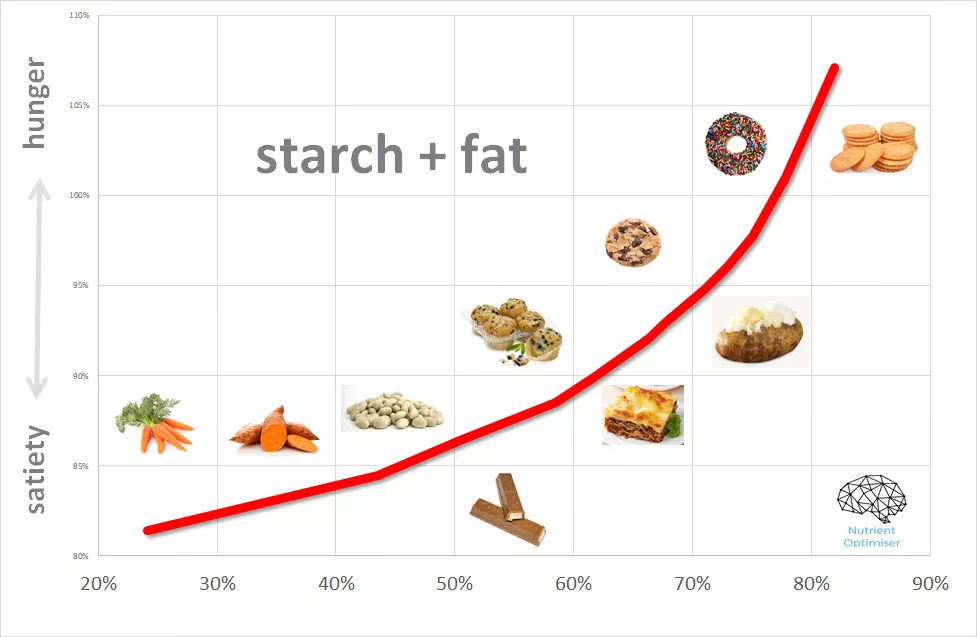
The danger, however, with trying to drive high levels of ketones by eating more fat is that it will lead to an energy excess intake which will drive up insulin and promote fat storage. Foods that contain a higher percentage of fat do not typically lead to greater satiety.

Reducing your carbohydrate intake can help you to avoid carb+fat hyperpalatable junk food, increase satiety, help you to eat less and lose weight. However, pushing carbohydrates to very low levels can lead to lower satiety and increased energy intake.
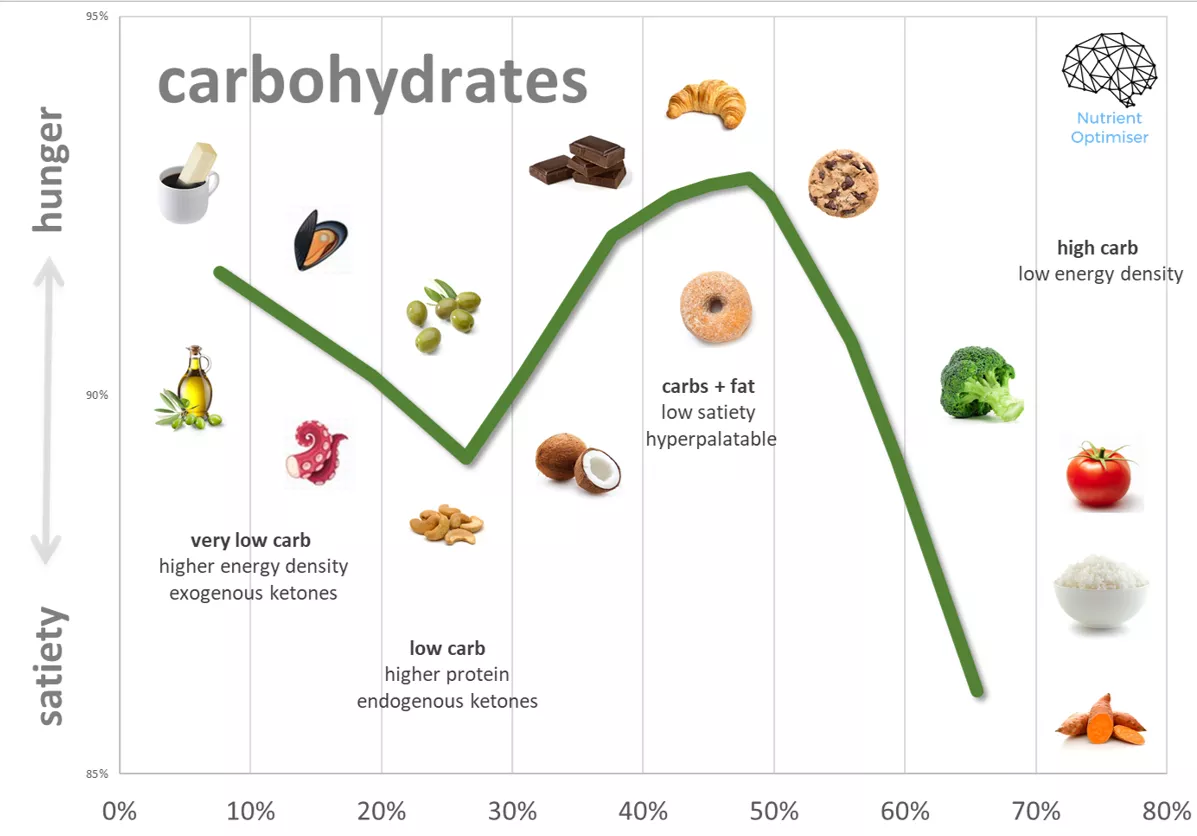
So, while reducing carbohydrates is beneficial if it moves you away from hyperpalatable processed foods that are a combination of carb+fat, too much dietary fat will not be optimal if it leads you to significantly increased energy intake.
How low should your blood glucose be in ketosis?
Many people embark on a ketogenic diet in the hope of managing their diabetes and losing weight. They want lower insulin levels to enable them to burn more body fat for long-term insulin sensitivity and health.
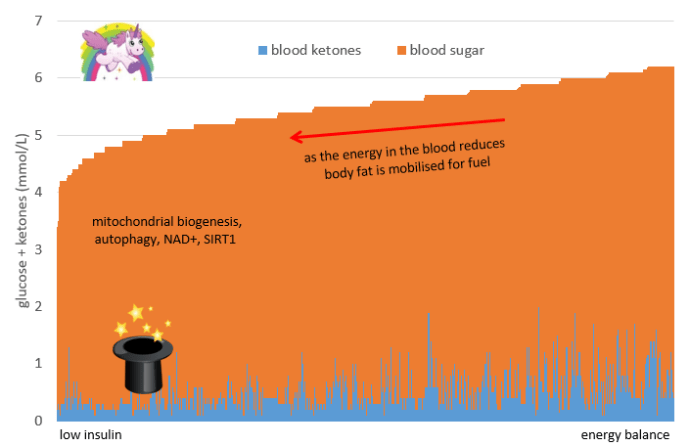
On the left-hand side of the total energy chart below, we have endogenous ketosis (meaning that your body fat is being burned for fuel). With lower levels of energy in your blood, your body will draw on your fat stores to make up the difference, as well as using excess stored fat and old proteins in your liver, pancreas, brain and other organs (i.e. autophagy). This is a great place to be if you are trying to reduce your blood sugar or lose body fat.
Normal blood sugar and ketone range for ketosis
After analyzing thousands of ketone measurements, we bring you the Ketone Levels Chart!. The data is divided into five quintiles, from the lowest to the highest total energy.
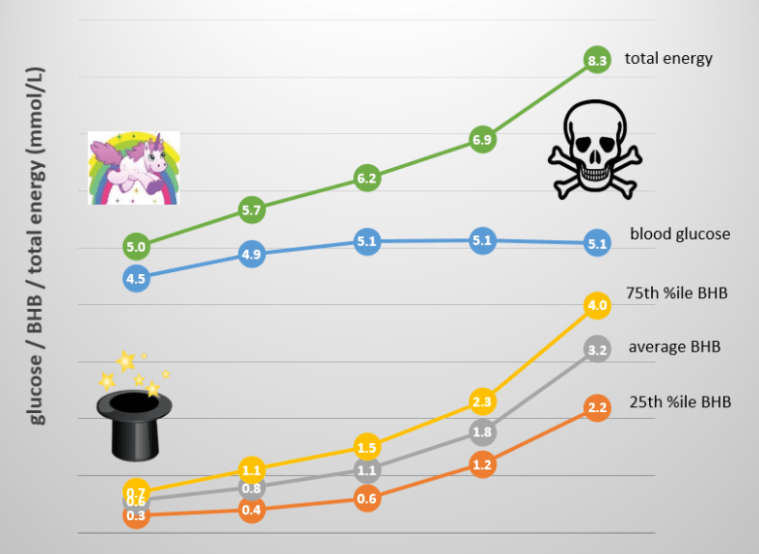
For each quintile, I have calculated the average, 25th percentile and 75th percentile blood ketone (BHB) value (i.e. half the values fit between the 25th and 75th percentile).

If you are on a ketogenic diet and relatively metabolically healthy, you may see BHB ketone values between 0.3 and 1.5 mmol/L. Ketones will be higher if you are fasting, restricting calories, exercising or consuming more dietary fat than usual.
However, remember that blood ketones will probably decrease over time as your body adapts to burning fat and ketones more efficiently. So try to resist the temptation to add more extra dietary fat to maintain elevated ketone levels.
Virta ketone values
It's interesting to note that the crowd-sourced data above aligns well with ketone data from the Virta study one-year results (Phinney et al., 2017), where they aimed to get participants with diabetes into nutritional ketosis to improve blood sugar management and reverse diabetes.
The distribution of BHB levels over the first ten weeks of the Virta trial is shown in the chart below. While there were some higher ketone values, many people also had values of less than 0.5 mmol/L.
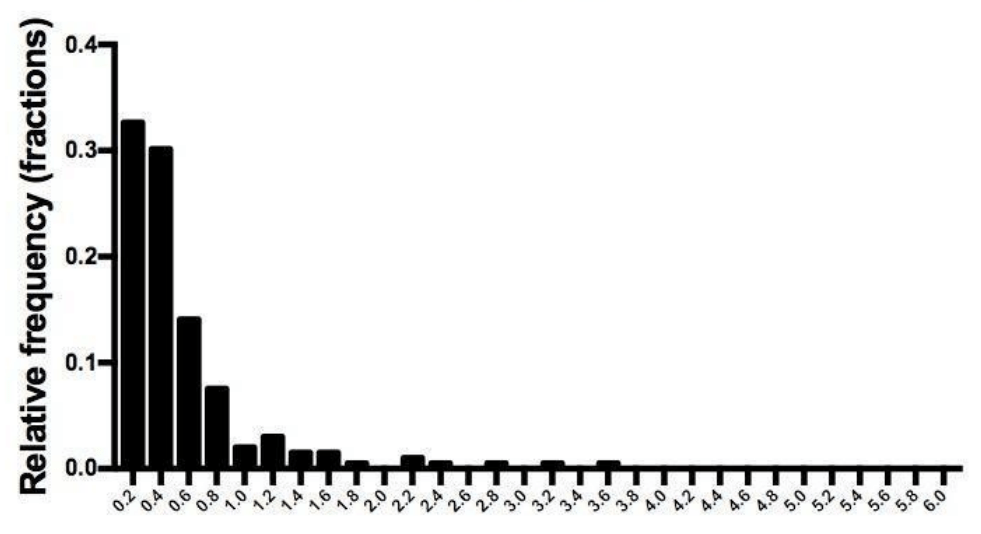
In spite of consuming a "ketogenic diet" under the supervision of the Virta team, most of the study participants did not achieve ketone levels that qualified as "nutritional ketosis" (I.e. BHB > 0.5 mmol/L).
The chart below shows the average Virta results over the first year, with ketones rising from 0.18 mmol/L to 0.6 mmol/L initially but then decreasing to less than 0.3 mmol/L after a year.
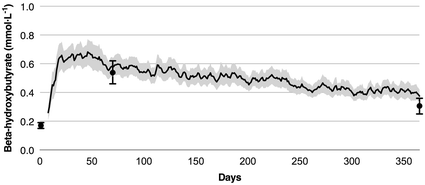
The Virta study two-year results show that blood ketone levels remained at 0.27 mmol/L after two years of a ketogenic diet. The chart below summarises the change in ketone values over the two-year duration of the study.
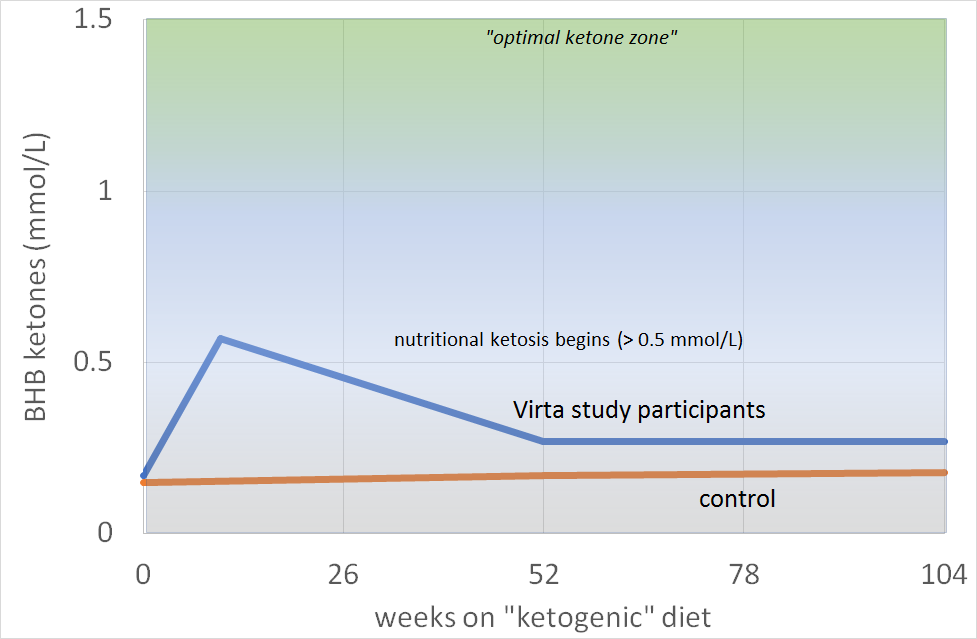
While the participants in the Virta program initially saw an increase of blood ketones into the 'nutritional ketosis zone' (i.e. greater than 0.5 mmol/L) on average after ten weeks, their blood ketones settled back to just above the control group on the standard western diet. At no time did their ketone values approach the optimal ketone zone (i.e. 1.5 mmol/L according to the commonly accepted definition of ketosis).
We have also seen a similar trend in our Nutrient Optimiser Challenge, with blood ketones rising initially over the first couple of weeks of weight loss when people focused on high-satiety nutrient-dense meals. But after a few four weeks, blood ketone levels decreased as people continued to lose weight and lower their blood sugars. It seems that once your body uses up the excess energy (both glucose and ketones) in your bloodstream, it can get on with using body fat.
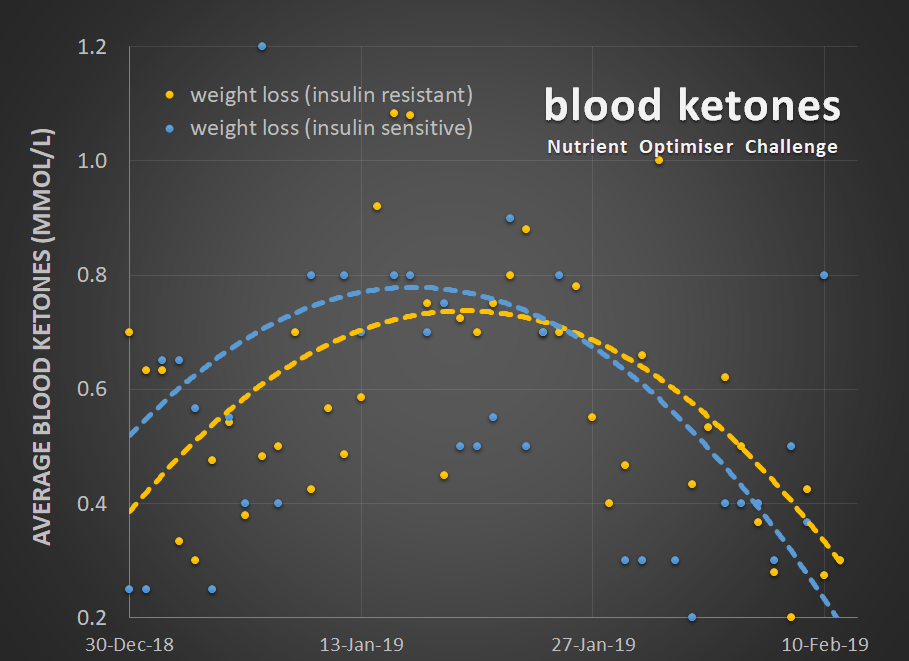
It was interesting to see that the people who identified as insulin resistant tended to have slightly higher blood ketone values than those who said they were insulin sensitive.
It seems that people who are physically fit and metabolically healthy may tend to have lower blood ketone levels as well as lower blood sugar levels, especially after they have been following a low-carb or ketogenic diet for a while.
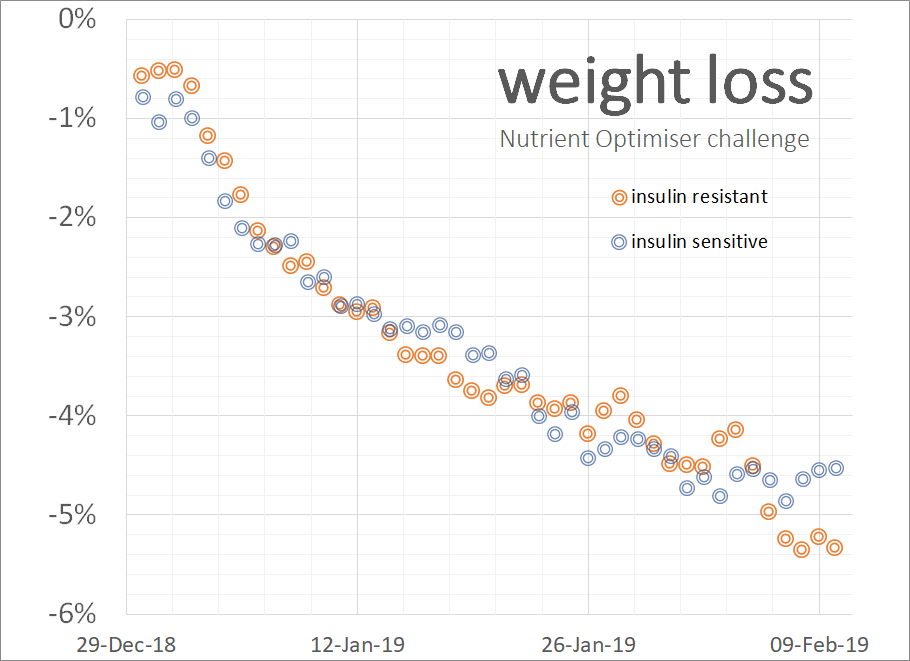
However, regardless of blood ketone values or whether people believed they are insulin resistant, the data from the Nutrient Optimiser Challenge also showed that people tend to lose weight at a similar rate regardless of whether they identified as insulin resistant or insulin sensitive.
Optimal blood sugar and ketone levels for ketosis
Unless you are managing a chronic condition that may benefit from elevated ketone levels (e.g. Alzheimer's, Parkinson's, dementia or epilepsy), you could potentially save a lot of money and angst by focusing on keeping your blood sugars closer to optimal and not worrying about your blood ketone levels.
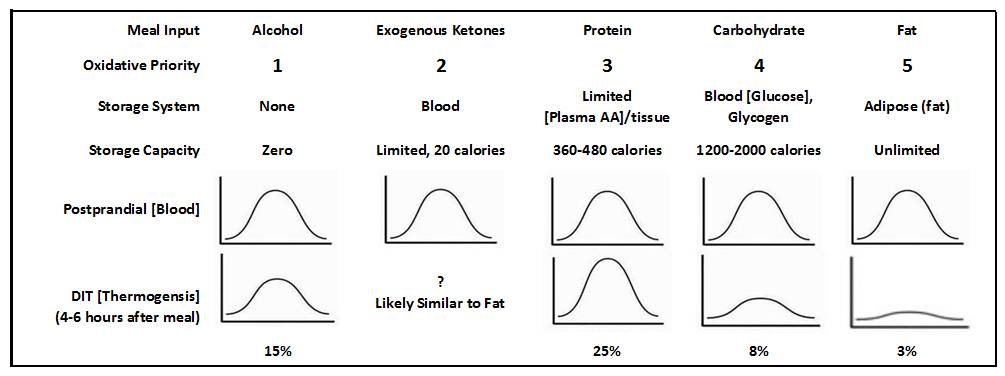
In line with oxidative priority, the glucose in your blood needs to be burned before the fat in your diet and the fat in your body. If your glucose stores are constantly overfull, you will be 'stuck' burning glucose, and you will not get to use your body fat.
Once your blood glucose has stabilised with a reduced carbohydrate diet, you can then prioritise high satiety, nutrient-dense foods and meals to continue to lose weight and reverse your diabetes.
More
Source: https://optimisingnutrition.com/blood-glucose-level-for-ketosis/
0 Response to "Will Ketones Continue to Rise in Long Term Ketosis"
Post a Comment